




API Security in 2026: Protecting Microservices Against Modern Cyber Threats
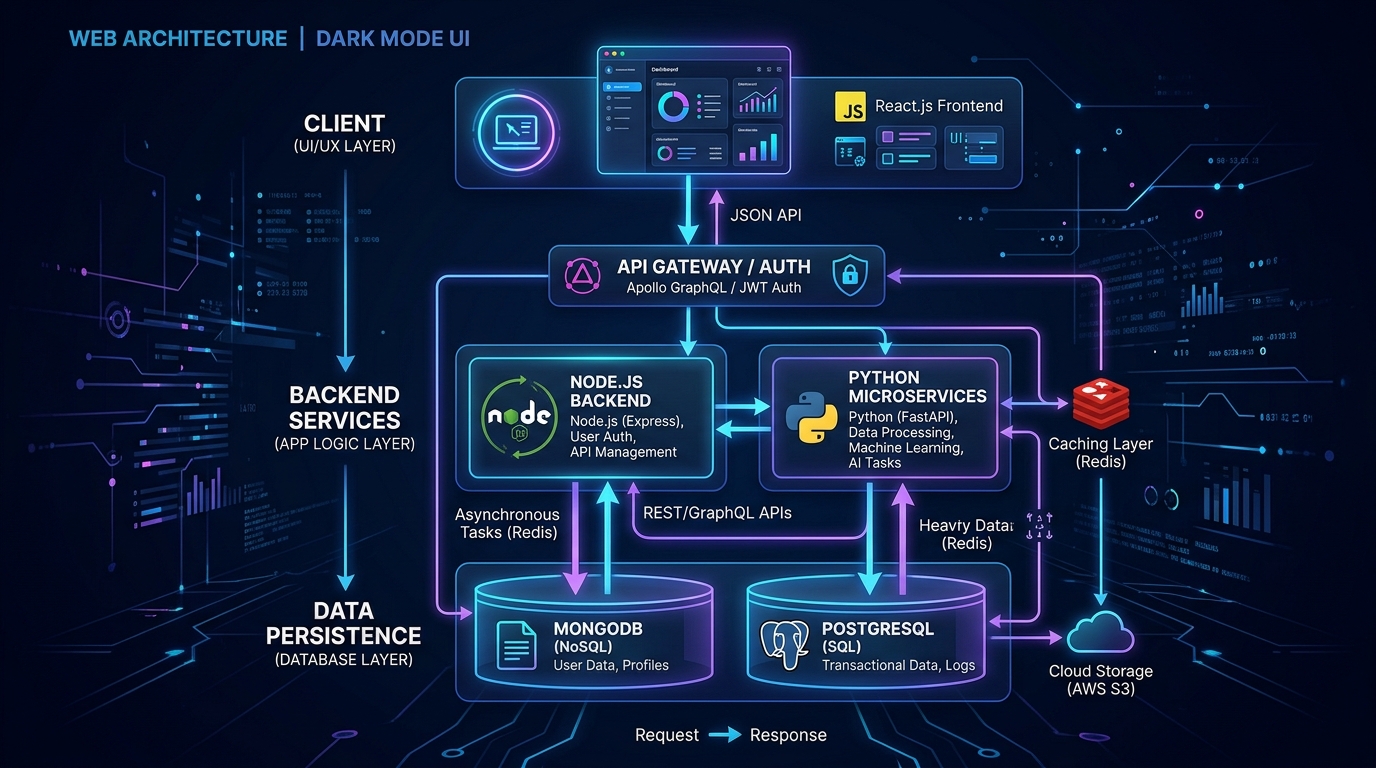
As microservices proliferate, securing API gateways and internal services is critical. Explore OAuth2/OIDC, rate limiting, and mTLS security strategies.
APIs serve as the foundational backbone of contemporary web, mobile, and third-party integrations. However, poorly protected API endpoints remain the single largest vector for data breaches and unauthorized access in 2026.
1. Essential API Security Layers
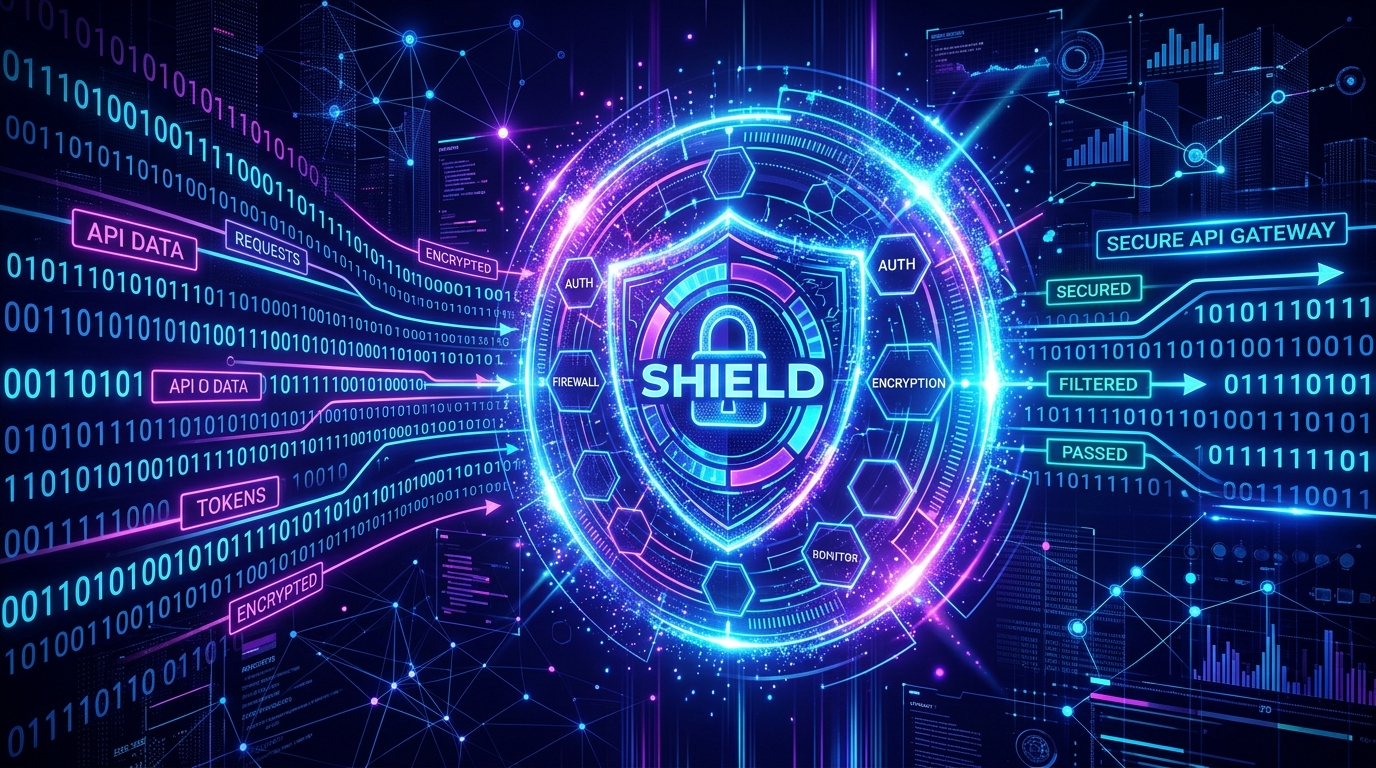
A comprehensive API security posture requires layered defenses spanning authentication, rate limiting, and data encryption:
- OAuth 2.0 & OpenID Connect (OIDC): Enforcing JWT-based access tokens with scoped authorization controls to prevent BOLA (Broken Object Level Authorization) exploits.
- Mutual TLS (mTLS): Encrypting inter-service microservice communications within service meshes (such as Istio or Linkerd) using bidirectional X.509 certificate authentication.
- Dynamic Rate Limiting & Bot Defense: Throttling excessive API requests based on IP address, tenant tokens, or dynamic anomaly thresholds to prevent DDoS attacks.
2. The OWASP Top 10 API Security Checklist
Organizations must regularly audit their internal and external endpoints against the OWASP API Security framework, ensuring strict input validation, CORS policies, and structured error responses that never leak internal stack traces.
"Securing APIs is no longer just about guarding the gateway—it requires authenticating every hop across microservices."
Partner with Stackhubs Security Engineers
Are your API endpoints fully audited and secured? Stackhubs Technology Ltd. conducts thorough penetration testing, API gateway hardening, and zero-trust security audits to safeguard your critical business data.